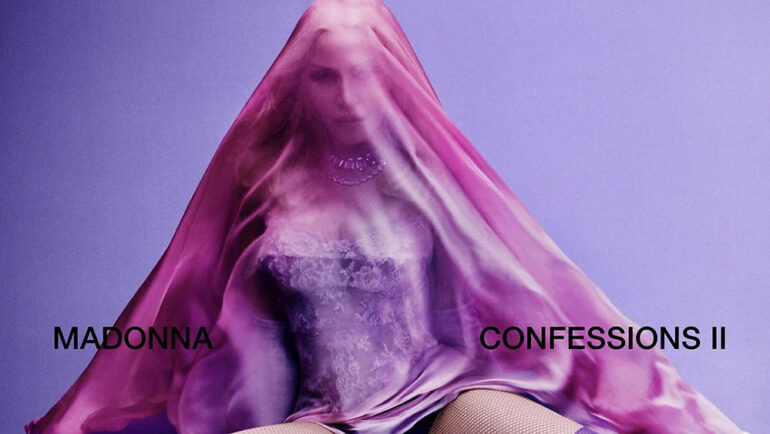
Once the undisputed queen of provocation, Madonna, the boundary-pushing artist who tangled with the Vatican and scandalized MTV with equal aplomb, has seemingly entered a new era. This era isn’t marked by the shock and awe that defined her early career, but rather by a calculated embrace of nostalgia. The recent official release of “I Feel So Free,” a track from the rumored “Confessions II” project, is not just a new song, it’s a symptom of a larger transformation: a shift from challenging the status quo to curating a legacy.
Madonna’s career has always been a high-wire act of reinvention. From her early days dancing in the burgeoning New York club scene to the release of her self-titled debut album in 1983, she was a symbol of unapologetic female sexuality and ambition. Tracks like “Like a Virgin” and the visual spectacle of the Blond Ambition Tour cemented her status as a cultural lightning rod, sparking debates about religion, sexuality, and the role of women in entertainment. The 1992 release of her sexually explicit book, *Sex*, further solidified her image as a provocateur, pushing the boundaries of what was acceptable in mainstream pop culture.
The mid-period saw Madonna experiment with various personas, from the spiritual seeker of the *Ray of Light* era to the Americana-tinged *Music*. While she continued to evolve musically and visually, some critics argued that her attempts to stay relevant felt increasingly contrived. The infamous Britney Spears and Christina Aguilera kiss at the 2003 MTV Video Music Awards, while undeniably generating headlines, also raised questions about whether Madonna was relying on shock value rather than genuine artistic innovation. Even her forays into film, such as her starring role in *Swept Away*, were met with critical derision.
The release of “I Feel So Free” arrives after a period marked by both personal and professional challenges. Her recent health scare, which led to hospitalization and the postponement of her Celebration Tour, served as a stark reminder of her mortality. The tour itself, designed as a career-spanning retrospective, feels less like a forward-thinking artistic statement and more like a carefully constructed museum exhibit, meticulously showcasing her past glories. The “Confessions II” project, rumored for years but never officially confirmed until now, further reinforces this sense of looking backward. The track itself, while sonically reminiscent of the disco-infused *Confessions on a Dance Floor*, lacks the urgency and innovation that characterized her earlier work.
Public reaction to Madonna’s recent output has been mixed. While her die-hard fans remain fiercely loyal, others have criticized her for what they perceive as a desperate attempt to cling to relevance in an industry dominated by younger stars. The backlash against her appearance at the 2023 Grammy Awards, where some accused her of using excessive plastic surgery, highlighted the intense scrutiny she faces as a woman aging in the public eye. Even her collaborations with younger artists, such as her recent work with Tokischa, have been met with skepticism, with some accusing her of cultural appropriation. In a recent interview with *Vanity Fair*, Madonna addressed criticisms of her evolving appearance, stating, “The surgery was performed by my doctor, who specializes in cosmetic surgery. She knows all the secrets to perfect beauty.”
Madonna has often implicitly acknowledged the pressures she faces to maintain her relevance. In various interviews throughout her career, she has spoken about the challenges of aging in the entertainment industry and the need to constantly reinvent herself to stay ahead of the curve. She has also expressed a desire to control her own narrative and legacy, pushing back against what she perceives as unfair or inaccurate portrayals in the media. Her social media presence, often carefully curated and highly stylized, serves as another means of shaping her public image and engaging directly with her fans.

Madonna’s shift towards nostalgia reflects a broader cultural obsession with the past. In an era of rapid technological change and social upheaval, many artists and audiences are turning to familiar sounds and images for comfort and reassurance. The rise of reboots, remakes, and legacy sequels in film and television is a testament to this trend. However, Madonna’s case is particularly interesting because she has always been positioned as a forward-thinking innovator, not a purveyor of nostalgia. Her current embrace of her past raises questions about the nature of authenticity and performance in the modern media ecosystem. Is she genuinely reconnecting with her roots, or is she simply playing a role that she believes will resonate with contemporary audiences? How much of her power is rooted in controlling her image, and how much is rooted in artistic authenticity?
Furthermore, Madonna’s situation highlights the complexities of maintaining cultural authority in a rapidly changing world. In the past, artists like Madonna could dictate the terms of their own relevance through sheer force of personality and artistic vision. Today, however, they are increasingly subject to the whims of social media and the ever-shifting tastes of online audiences. The rise of influencer culture and the democratization of content creation have eroded the traditional hierarchies of power, making it more difficult for established artists to maintain their dominance. As Billboard reported in 2023, the rise of TikTok has dramatically changed how music is consumed, promoted, and ultimately, how success is defined.
In conclusion, the release of “I Feel So Free” is more than just a new song; it’s a cultural artifact that encapsulates the tensions between legacy, relevance, and authenticity in the age of social media. While Madonna’s embrace of nostalgia may provide comfort to some, it also raises questions about whether she is sacrificing her iconoclastic spirit for the sake of maintaining her position in the cultural landscape. Whether this new chapter carries the same weight as her past provocations remains to be seen, but one thing is certain: Madonna’s story continues to be a compelling reflection of our own ever-evolving cultural anxieties and aspirations.