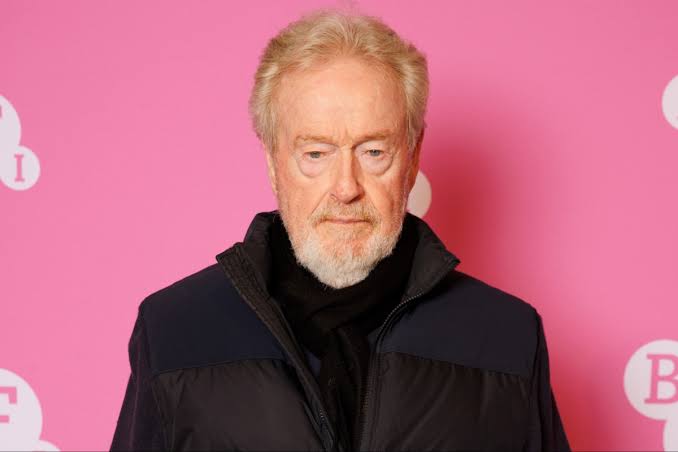
In a recent interview with The Times of London, acclaimed director Ridley Scott has redefined his role in the industry, stating that he sees himself not as a “filmmaker,” but as an “influencer.” Scott’s perspective shifts the traditional view of a director’s function, emphasizing a more dynamic and perhaps less constrained approach to his work.
“Every time, you are vulnerable,” Scott remarked when discussing the common thread that runs through his extensive body of work. He further elaborated on his creative philosophy, asserting, “Also, I never want to repeat myself and all my films have been on the money.” This statement suggests a commitment to innovation and a desire to maintain relevance and impact with each project.
Scott’s declaration aligns with a broader cultural shift where the lines between creator and curator, artist and advocate, are increasingly blurred. The term “influencer” typically denotes an individual with the power to affect the purchasing decisions or opinions of others due to their authority, knowledge, position, or relationship with their audience. Applying this to filmmaking, Scott may be highlighting his ability to shape audience perception and drive cultural conversations through his cinematic endeavors.

This re-framing by a director of Scott’s stature could prompt a re-evaluation of what it means to be a storyteller in the modern media landscape. It suggests a move away from a purely craft-based identity towards one that embraces broader impact and engagement. The implications of this viewpoint may resonate across the entertainment industry, potentially inspiring other creatives to consider their roles and influence in new ways.