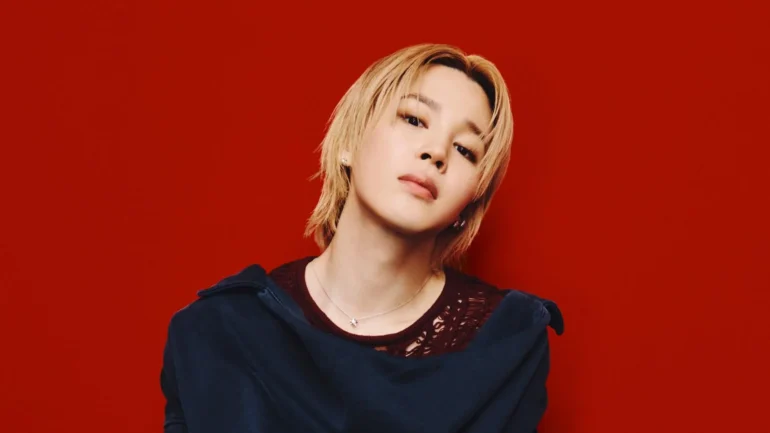
Once a supporting player in the global phenomenon that is BTS, Park Jimin, known mononymously as Jimin, now stands firmly in the spotlight as a solo artist. This isn’t just another K-pop star branching out; it’s a carefully orchestrated evolution reflecting a broader shift in how artists navigate fame, agency, and cultural relevance in an increasingly individualized world. The shy dancer who once seemed content to let his bandmates take the lead is now embracing a newfound assertiveness, both musically and personally, prompting a re-evaluation of his image and the very nature of K-pop stardom itself.
Jimin’s journey from perceived reticence to confident soloist has been meticulously chronicled by fans and media alike. Initially, within BTS, he was primarily recognized for his exceptional dance skills and smooth vocals, often overshadowed by the group’s rappers and more outspoken members. Early performances and interviews painted a picture of a diligent performer, comfortable within the established group dynamic. He contributed significantly to BTS’s success, but his individual identity remained somewhat muted compared to the bolder personas of RM, Suga, or J-Hope.
The mid-period saw subtle yet significant changes. Jimin began experimenting with songwriting and composition, contributing solo tracks like “Lie” and “Serendipity” to BTS albums. These songs offered glimpses into a more vulnerable and introspective side, hinting at a desire for greater artistic expression. However, these efforts were still framed within the context of BTS’s collective identity, leaving many to wonder if Jimin would ever fully step out on his own. This ambiguity fueled speculation and anticipation, setting the stage for his eventual solo debut.
The release of his debut solo album, *FACE*, in March 2023, marked a clear turning point. The album, accompanied by provocative music videos and a bolder, more sensual image, presented a stark contrast to his earlier, more innocent persona. Singles like “Like Crazy” showcased a newfound confidence and willingness to experiment with darker, more mature themes. This transformation was further solidified by his appointment as a Dior global ambassador, signaling his arrival as a major force in both music and fashion. The recent documentary, *Jimin’s Production Diary*, further solidified this narrative, revealing the artist’s anxieties and triumphs during the solo album’s creation, painting a picture of genuine artistic struggle and growth.
Jimin’s solo reinvention hasn’t been without its detractors. Some long-time BTS fans expressed disappointment with his new image, accusing him of chasing trends and abandoning the group’s original sound. Online forums buzzed with debates about whether his transformation was authentic or a calculated marketing ploy. The shift towards a more overtly sexualized aesthetic also drew criticism, with some accusing him of pandering to Western audiences and perpetuating harmful stereotypes. Media coverage, while largely positive, also acknowledged the controversy, framing Jimin’s solo work as a bold but potentially risky move.
Industry reactions, however, have been overwhelmingly supportive. Fellow artists and producers have praised Jimin’s talent and work ethic, acknowledging his potential to become a major solo star. His collaborations with established names in the music industry have further solidified his credibility and broadened his appeal. HYBE Corporation, BTS’s management agency, has also played a crucial role in shaping Jimin’s solo career, providing him with the resources and support needed to succeed. This strategic backing underscores the agency’s understanding of the evolving K-pop landscape and the growing importance of individual artist branding.
Jimin himself has been surprisingly candid about his motivations. In numerous interviews, including a recent conversation with Vogue, he admitted to feeling pressure to evolve and experiment as an artist. “I wasn’t afraid to ask questions,” he stated, emphasizing his desire to learn and grow. He also acknowledged the influence of his fans, expressing a desire to create music that resonates with them on a deeper level. While he hasn’t directly addressed the controversies surrounding his image, his words suggest a genuine effort to connect with his audience and express himself authentically.
Jimin’s solo trajectory reveals several key aspects of the current cultural moment. Firstly, it highlights the increasing pressure on artists to maintain relevance in a rapidly changing media landscape. With attention spans dwindling and competition for eyeballs fiercer than ever, artists are forced to constantly reinvent themselves to stay ahead of the curve. This can lead to a perceived lack of authenticity, as artists prioritize popularity over artistic integrity. Secondly, Jimin’s story underscores the complex relationship between power, attention, and influence in the modern music industry. Artists are no longer solely reliant on record labels to build their careers; they can leverage social media and other platforms to connect directly with their fans and control their own narratives. However, this newfound power comes with its own set of challenges, including the pressure to constantly perform and the risk of online backlash.
The rise of individual branding within the K-pop industry also speaks to a broader cultural trend towards individualism. In a society increasingly obsessed with personal identity and self-expression, artists are expected to be more than just performers; they must also be relatable personalities with unique stories to tell. This can be a double-edged sword, as it blurs the line between authenticity and performance, making it difficult to discern what is genuine and what is manufactured.

Finally, Jimin’s evolution highlights the ongoing debate about cultural authority in the digital age. In the past, cultural authority was largely determined by established institutions such as record labels, media outlets, and critics. Today, however, authority is more fluid and contested, with fans and online communities playing an increasingly important role in shaping public opinion. This can lead to a democratization of culture, but it can also create echo chambers and reinforce existing biases.
Jimin’s journey from BTS sideman to solo star is more than just a personal triumph; it’s a reflection of the complex and ever-changing dynamics of the modern cultural landscape. Whether his current strategy of embracing a bolder, more individualistic image will ultimately solidify his legacy remains to be seen. What is clear, however, is that his story offers valuable insights into the challenges and opportunities facing artists in an era of constant reinvention and relentless self-promotion. The question is not whether Jimin’s transformation is “authentic,” but rather what it reveals about our own expectations of artists and the very nature of fame in the 21st century. Does this constant striving for relevance ultimately diminish the artistic product, or does it, paradoxically, allow for greater creative expression?

Jimin attends the Dior Fall/Winter 2023-2024 during Paris Fashion Week on January 20, 2023 in Paris, France. (Photo by Pascal Le Segretain/Getty Images for Dior)