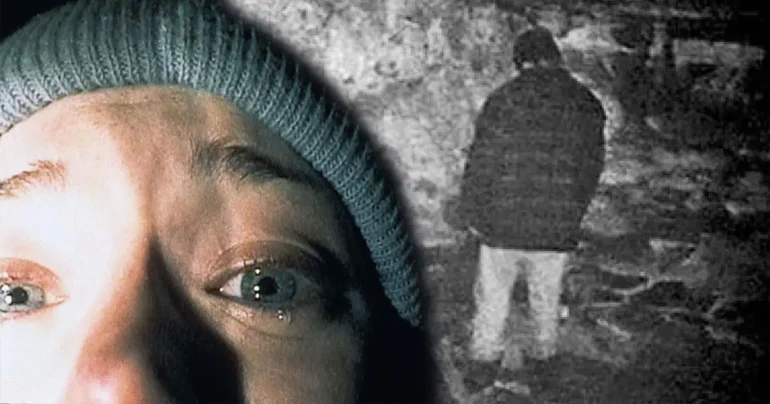
The lingering shadow of Burkittsville, Maryland, once again looms large as word emerges that a new iteration of The Blair Witch Project is in development, this time with a fresh director at the helm and, perhaps more notably, original stars Joshua Leonard and Michael C. Williams attached as executive producers. This development marks a significant pivot for the franchise, a property that has long been synonymous with its groundbreaking found-footage aesthetic and the raw, improvisational performances that initially catapulted it into cinematic infamy. The return of Leonard and Williams, who portrayed themselves as aspiring filmmakers lost in the woods, suggests an attempt to recapture the original’s spirit, but also raises compelling questions about legacy, authenticity, and the ever-evolving nature of Hollywood’s reboot culture.
Released in 1999, The Blair Witch Project was a phenomenon, a low-budget independent film that eschewed traditional horror tropes for a chillingly plausible depiction of escalating terror. The Daniels (Daniel Myrick and Eduardo Sánchez) crafted a narrative around three film students who venture into the Black Hills Forest to document the legend of the Blair Witch, only to disappear, leaving behind their unsettling footage. The film’s genius lay in its marketing, which masterfully blurred the lines between fiction and reality, leading many to believe the footage was genuine. Leonard and Williams, alongside Heather Donahue, became reluctant icons of this new wave of horror, their characters’ descent into panic and despair resonating deeply with audiences and critics alike.
The subsequent years saw the franchise grapple with its own mythology. Book of Shadows: Blair Witch 2 (2000), a more conventional sequel, failed to capture the magic of its predecessor, leaning into supernatural elements and a more traditional narrative structure. Its reception was largely dismissive, a stark contrast to the original’s critical acclaim and cultural impact. Years later, Blair Witch (2016), directed by Adam Wingard, attempted to rekindle the flame with a direct sequel that revisited the original’s premise, incorporating more modern filmmaking techniques and jump scares. While it offered a more polished, albeit less subtle, horror experience, it too struggled to recapture the visceral terror and groundbreaking authenticity that made the 1999 film a touchstone.
The current announcement, therefore, signifies more than just a new chapter; it’s an overt acknowledgment of the original’s enduring power and a potential recalibration of the franchise’s identity. The involvement of Leonard and Williams as executive producers is particularly intriguing. They were the faces of the original’s terror, their performances so grounded in naturalism that they became intrinsically linked to the film’s perceived reality. Their return suggests a desire to lend their unique perspective, perhaps to ensure that the new project honors the spirit of the 1999 film while navigating the complexities of contemporary filmmaking and audience expectations. This move could be interpreted as a bid to reclaim the narrative, drawing on the personal history and authenticity they represent to imbue the new project with gravitas.
However, this strategic inclusion also taps into a broader trend within the entertainment industry. The nostalgia cycle is relentless, and the appeal of revisiting beloved properties, often with original cast members in key roles, is a potent marketing tool. In a landscape saturated with content, leveraging established IP and familiar faces offers a perceived shortcut to audience engagement. The industry has seen numerous examples of this, from the reboots of Ghostbusters that brought back the original crew in varying capacities, to the continued expansion of franchises like Star Wars and the Marvel Cinematic Universe, which frequently weave in legacy characters. This phenomenon speaks to a cultural anxiety about originality, a yearning for the perceived authenticity of past eras, and a pragmatic business strategy to mitigate the risks associated with launching entirely new concepts.
The shift in directorial hands, with a new filmmaker taking the reins, further underscores the balancing act at play. It suggests a desire for fresh creative energy and a contemporary approach to horror, while the executive producer roles of Leonard and Williams aim to act as anchors to the original’s legacy. This dynamic can be fraught with tension. Will the new director’s vision be constrained by the need to adhere to the original’s tone, or will the original stars’ involvement be largely symbolic? The history of reboots is littered with examples where creative control and artistic integrity were compromised in the pursuit of nostalgic appeal, leading to fan disappointment and a dilution of the source material’s impact.
The initial reaction from the fan base and critics is likely to be a mix of excitement and skepticism. For those who cherish the original Blair Witch Project, the return of its stars offers a glimmer of hope that this reboot might break the mold of lackluster sequels and reboots. The very idea that Leonard and Williams are actively involved in shaping the project, rather than merely making a cameo, suggests a deeper commitment to its authenticity. Yet, the fear of over-monetization and the inevitable comparison to the groundbreaking original loom large. The cultural conversation around The Blair Witch Project has always been about its unique creation of an almost-real experience; any new iteration will inevitably be judged against that benchmark, and the pressure to replicate that magic, or at least honor its spirit, is immense.

Furthermore, this move by the Blair Witch Project franchise reflects a more profound cultural conversation about relevance versus legacy. In an era where cultural touchstones are constantly being re-examined, reinterpreted, and re-marketed, the line between celebrating a legacy and exploiting it becomes increasingly blurred. The original Blair Witch Project’s success was partly a product of its time, its raw, lo-fi aesthetic resonating with a pre-social media world where the lines between reality and digital representation were still being drawn. Today, audiences are far more discerning, and the concept of “found footage” has been endlessly imitated, often to the point of cliché. The challenge for this new Blair Witch project will be to find a way to innovate within a genre it helped define, without sacrificing the core elements that made it so impactful.
The inclusion of Leonard and Williams as executive producers also speaks to the evolving dynamics of fame and influence in the digital age. Their personal connection to the project, their lived experience as the protagonists of a cultural moment, grants them a unique form of authority. In an industry often driven by fleeting trends and manufactured personas, their return offers a form of genuine, hard-won credibility. It’s a strategy that leverages their established connection with the audience and suggests a desire to move beyond mere nostalgia, aiming instead for a more authentic and self-aware continuation of the narrative. This approach recognizes that cultural authority today is not solely about star power but also about genuine connection to a work’s history and impact.
Ultimately, the success of this Blair Witch Project reboot will depend on its ability to navigate this complex terrain. Can it deliver genuine scares and a compelling story while honoring the legacy of its groundbreaking predecessor? Can the new director and the returning stars forge a creative synergy that feels fresh and relevant, rather than a mere retread? The cultural landscape is constantly shifting, and what once felt revolutionary might now seem dated or derivative. The inclusion of original talent as executive producers is a compelling strategy, but in a world hyper-aware of performance and authenticity, it will require more than just a nod to the past to truly capture the zeitgeist. The woods of Burkittsville are calling again, but whether they beckon audiences into a new era of fear or simply into a familiar echo chamber remains to be seen.