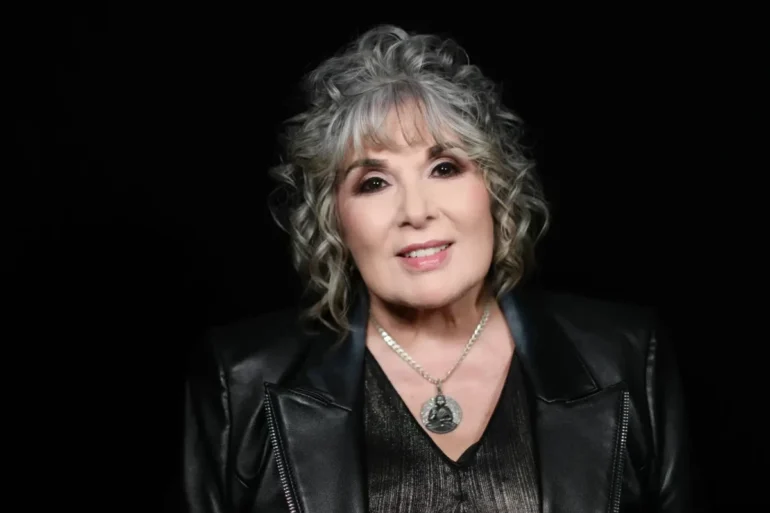
Ann Wilson, the iconic voice of Heart, has long been synonymous with raw power and anthemic rock. Yet, in recent years, the Seattle-born singer-songwriter has increasingly turned inward, embracing a more contemplative and philosophical approach to her life and art. This evolution marks a significant shift from the fiery persona that defined her early career, inviting a closer examination of her enduring relevance and artistic authenticity.
From the outset, Wilson, alongside her sister Nancy, carved out a unique space in the male-dominated rock landscape of the 1970s. Heart’s debut album, *Dreamboat Annie* (1975), showcased a potent blend of hard rock riffs and soaring vocals, quickly establishing them as a formidable force. Hits like ‘Crazy on You’ and ‘Barracuda’ became staples of classic rock radio, cementing their reputation for powerful performances and a rebellious spirit. Their early image was one of unbridled energy, a direct, often confrontational, expression of rock and roll vitality.
However, the passage of time and the accumulation of experiences have clearly reshaped Wilson’s perspective. In a recent interview, she stated, “I’m more philosophic now. I’ve been through a lot, and you learn to see things in a broader context.” This sentiment underscores a deliberate move away from the immediate, visceral reactions that characterized her younger self, towards a more considered and reflective outlook. This isn’t a retreat from her musical legacy, but rather an expansion of her artistic identity.
The evidence of this shift is visible in her solo work and her approach to performing Heart’s extensive catalog. While the power remains, there’s a nuanced layering in her recent projects that speaks to a deeper engagement with lyrical themes and musical textures. Her 2022 solo album, *Fierce Bliss*, explored a wider range of sonic landscapes and introspective narratives, diverging from the straightforward rock anthems of her past. This willingness to experiment and evolve, even decades into her career, challenges the notion of artistic stagnation.

Culturally, Wilson’s journey speaks to the broader conversation surrounding legacy versus relevance. Many artists from her era struggle to maintain a connection with contemporary audiences without compromising their foundational sound. Wilson, however, appears to be navigating this challenge by evolving her artistic expression rather than merely revisiting past glories. Her embrace of a more philosophical outlook allows her to connect with timeless themes, making her work resonate beyond its original context. This approach also raises questions about authenticity versus performance. Is the philosophical Ann Wilson a more genuine representation of the artist today than the rock warrior of the 70s? Her consistent output and articulate self-reflection suggest that this current phase is an authentic expression of her mature artistic self, a performance that aligns with her inner state.
The question remains: does this current strategy still carry weight? In an era saturated with fleeting trends and manufactured personas, Ann Wilson’s commitment to introspection and artistic growth offers a compelling counterpoint. Her ability to adapt, to articulate her evolving worldview, and to continue creating music that reflects this depth, ensures her continued relevance. She is not merely a custodian of classic rock history but an active participant in its ongoing narrative, proving that wisdom and a philosophical bent can amplify, rather than diminish, an artist’s enduring power. As she continues to explore new artistic territories, her journey serves as a testament to the enduring power of thoughtful evolution in a rapidly changing cultural landscape.