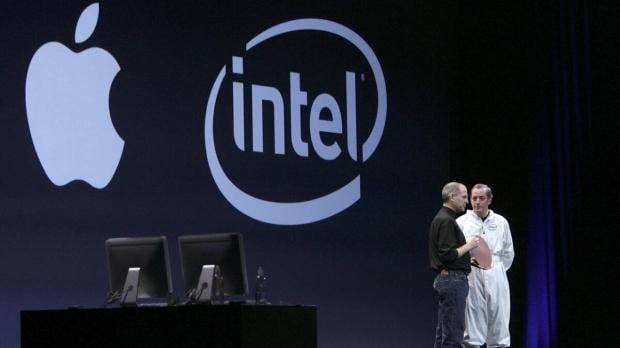
In a move that could reshape the semiconductor landscape, Apple and Intel have reportedly reached a preliminary agreement for chip-making. This development marks a significant pivot for both tech giants, signaling a potential new era of collaboration in the highly competitive world of advanced microprocessors.
For years, Apple has pursued an aggressive in-house chip design strategy, culminating in its M-series processors that have powered its Mac lineup to new heights, largely divorcing itself from Intel’s x86 architecture. This shift, initiated in 2020, was hailed as a masterstroke, offering enhanced performance and power efficiency. Intel, meanwhile, has faced considerable challenges in its manufacturing capabilities and market share, prompting a strategic overhaul under CEO Pat Gelsinger, who has emphasized a return to manufacturing leadership and a more open foundry model.
The specifics of the preliminary agreement remain under wraps, but sources suggest it could involve Intel manufacturing certain custom chips designed by Apple. This would represent a partial reversal of Apple’s trend toward complete vertical integration and a potential boost for Intel’s foundry ambitions. It’s a complex dance between two titans who have historically been both rivals and partners. While Apple has championed its silicon prowess, the sheer scale and complexity of chip manufacturing, particularly at the bleeding edge, present immense challenges. Intel, despite its recent stumbles, possesses vast manufacturing infrastructure and decades of experience.
“This is not just about manufacturing capacity; it’s about leveraging Intel’s expertise in specific process technologies that might be complementary to Apple’s design goals,” commented a semiconductor industry analyst. “For Apple, it could mean faster time-to-market for certain specialized chips without the enormous capital expenditure of building new fabrication plants. For Intel, it’s a crucial win to secure high-profile clients and validate its foundry strategy.”

The potential implications are far-reaching. If successful, this deal could alleviate some of the supply chain pressures that have plagued the tech industry. It also raises questions about Apple’s long-term commitment to its in-house manufacturing efforts and Intel’s ability to regain its footing as a premier chip manufacturer. The tech world will be watching closely as this preliminary understanding potentially solidifies into a concrete partnership.