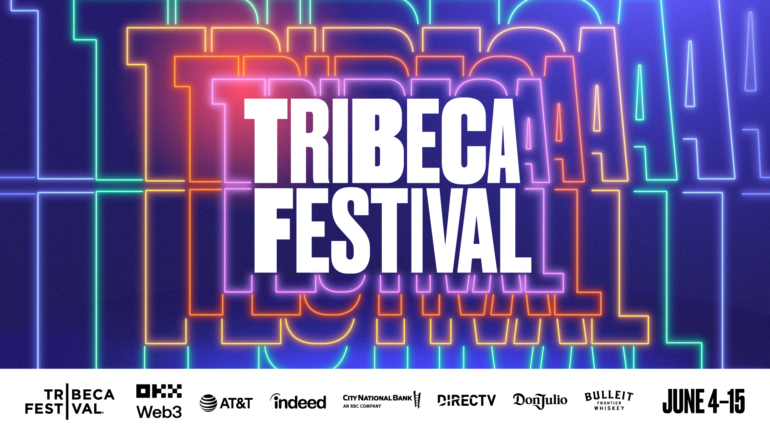
The Tribeca Festival, an event born from a desire to revitalize downtown Manhattan in the wake of 9/11, is celebrating its 25th anniversary in 2026. What began as a local initiative has blossomed into a significant global platform for independent film, immersive storytelling, and cultural dialogue, reflecting a quarter-century of shifts in media, technology, and societal concerns.
Founded in 2002 by Robert De Niro, Jane Rosenthal, and Craig Hatkoff, Tribeca’s inception was intrinsically linked to the spirit of New York City. Its early years were characterized by a focus on showcasing emerging filmmakers and providing a much-needed boost to a community still reeling from tragedy. The festival quickly established a reputation for its curated selection of diverse voices and its commitment to the art of storytelling.
Over the years, Tribeca has adapted to the rapidly changing landscape of the film industry. The rise of streaming services, the democratization of filmmaking tools, and the increasing importance of digital platforms have all influenced the festival’s programming and trajectory. “When we started, the idea of a film festival was still very much tied to the theatrical experience,” noted a festival programmer. “Now, we have to consider the entire ecosystem of how stories are consumed and created, from VR to short-form digital content.”
A key element of Tribeca’s evolution has been its embrace of new technologies and formats. Beyond traditional film screenings, the festival has become a leading venue for virtual reality (VR) and immersive experiences. This expansion reflects a broader cultural shift, where the lines between creator and audience, and between different media, are increasingly blurred. The festival’s “Immersive Art” section, for instance, has become a highly anticipated component, showcasing groundbreaking interactive narratives and digital art installations.
This adaptation, however, has also sparked discussions about authenticity and legacy. As Tribeca has grown in scale and prominence, attracting major studios and celebrity involvement alongside independent darlings, some critics question whether its original mission of championing raw, independent cinema has been diluted. “There’s a delicate balance,” commented film critic A.O. Scott in a New York Times piece discussing festival trends. “How do you remain a vital incubator for new talent while also engaging with the commercial realities of the industry?”
The festival’s programming in recent years has often grappled with contemporary issues, from climate change and social justice to the impact of artificial intelligence. This engagement with the zeitgeist is a hallmark of Tribeca’s cultural relevance. However, it also raises questions about legacy: will these timely, issue-driven selections stand the test of time, or will they be seen as ephemeral reflections of a particular moment?
Tribeca’s response to these challenges has been to continuously innovate. The festival has integrated online components, expanded its industry market, and fostered a sense of community that extends beyond its physical footprint. The “Tribeca Talks” series, featuring in-depth conversations with leading figures in film, music, and culture, has become a significant draw, offering insights into the creative process and the future of entertainment.
Looking ahead, the 25th anniversary provides an opportunity to reflect on Tribeca’s enduring impact. It has undeniably succeeded in its mission to bring diverse stories to the forefront and to foster a vibrant cultural dialogue. The question remains whether its strategic embrace of new platforms and its navigation of the commercial landscape will continue to serve its core purpose of nurturing and celebrating cinematic innovation. As the festival looks to its next quarter-century, its ability to maintain its critical edge while adapting to an ever-evolving media world will be its ultimate test.