For years, Apple cultivated an image synonymous with sleek hardware and intuitive design. The company, under the visionary leadership of Steve Jobs, presented itself as an arbiter of taste, a curator of digital experiences that elevated the everyday into something more elegant, more meaningful. Its products were not merely tools but statements, extensions of a user’s identity, promising simplicity and power in equal measure. This carefully constructed narrative, emphasizing artisanal craftsmanship and a singular focus on the device itself, was the bedrock of its immense cultural capital. Yet, the latest financial report from the Cupertino giant — revealing its best-ever March quarter and a staggering $30 billion in services revenue — signals a profound, almost seismic, shift. Apple is no longer just a hardware company; it’s a sprawling, deeply embedded digital ecosystem, and its cultural influence is now as much about the invisible threads connecting its users as the physical objects they hold.
The transition hasn’t been immediate, but the trajectory has become undeniable. In its early days, Apple’s public persona was laser-focused on the revolutionary nature of its products. The original Macintosh, the iPod, the iPhone — each launch was an event, heralded as a paradigm shift that would redefine how we interact with technology and the world. The company’s marketing then was minimalist, aspirational, and deeply personal, often featuring individuals lost in their own creative or personal worlds, facilitated by Apple devices. This cultivated an image of a company that was revolutionary, disruptive, and, importantly, about the user’s individual experience. The infamous 1984 Super Bowl ad, positioning Apple as the liberator against an Orwellian computing establishment, cemented this identity. The iPod’s white earbuds became a ubiquitous symbol of cool, a subtle but powerful indicator of an adopter’s place within a discerning, forward-thinking tribe. The iPhone, when it arrived, was less an iteration and more a declaration of a new era in personal computing, seamlessly integrating communication, entertainment, and information into a single, beautiful device.
However, the death of Steve Jobs in 2011 marked a turning point, or at least the beginning of a significant evolution. While Tim Cook has steered Apple to unprecedented financial success, the company’s narrative has subtly shifted. The singular, almost cult-like focus on hardware design, while still present, has been augmented, and increasingly overshadowed, by the growth of its services division. Apple Music, iCloud, Apple Pay, Apple Arcade, Apple TV+ — these offerings, once supplementary, are now core pillars of the Apple experience. This expansion wasn’t without its growing pains or internal contradictions. For a company that once famously declared “it’s in Apple’s DNA that we do not ship products that work against it,” the increasing reliance on subscription models and digital content, which often requires constant updates and can be prone to the same fragmentation issues as competitors, presented a new challenge. Critics began to question if this diversification diluted the premium, almost sacred, status of Apple hardware, or if it signaled a strategic pivot away from the tangible and towards the recurring. The App Store, a critical component of the services ecosystem, has also been a site of controversy, with developers railing against its commission structure and restrictive policies, leading to regulatory scrutiny and accusations of monopolistic practices. This tension between Apple’s legacy as a hardware innovator and its present reality as a dominant digital service provider has defined much of the past decade.
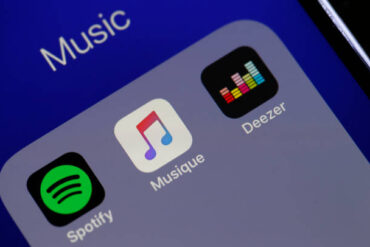
The latest financial results provide a stark, quantitative answer to these debates. Services revenue surpassing $30 billion in a single quarter is not just an impressive financial feat; it’s a cultural declaration. It signifies that Apple’s true power now lies not just in the devices it sells, but in the vast, interconnected web of its digital offerings that users are increasingly reliant upon. This shift has elicited a spectrum of reactions. For loyalists, it’s a validation of Apple’s holistic approach, proving that the ecosystem’s convenience and integration are worth paying for, and that the company can innovate across both hardware and software services. They point to the seamless experience of paying with Apple Pay, streaming music on Apple Music, or backing up photos to iCloud as testaments to Apple’s continued prowess. However, others view it with a degree of apprehension. This reliance on services, and the data they collect, raises persistent questions about privacy, a cornerstone of Apple’s brand. While Apple has historically positioned itself as a guardian of user data, unlike more ad-driven tech giants, the sheer volume of personal information flowing through its services creates a complex ethical landscape. Furthermore, the increasing dependence on subscriptions can feel like a perpetual toll booth, a departure from the one-time purchase model that defined its earlier success and contributed to its image of providing lasting value. The company’s push into services has also led to public spats, most notably with companies like Spotify and Epic Games, over App Store policies and revenue sharing, highlighting the power dynamics at play within its walled garden.
Apple, in its typically measured corporate way, has acknowledged this evolution, though often framing it within the language of user benefit and innovation. Tim Cook has repeatedly emphasized that services are about “enhancing the Apple experience” and providing customers with “more value.” In a 2021 earnings call, he stated, “Our services business is a remarkable achievement and is driven by the incredible engagement of our customers with our products and the sheer breadth of what they can do with them.” While not an explicit admission of seeking attention or control, this language underscores a strategic intent to deepen customer loyalty and create stickiness within its ecosystem. The emphasis on “engagement” and “breadth” points to a sophisticated understanding that in the modern digital economy, it’s not just about selling a product, but about owning the ongoing relationship with the customer. This strategy is designed to ensure Apple remains not just relevant, but indispensable, a constant presence in the daily lives of its billions of users.

What does this profound financial and cultural pivot reveal about our current moment? It speaks volumes about the ascendance of the platform economy, where the real value often lies not in the original product, but in the network effects and recurring revenue streams it enables. Apple’s success highlights a broader cultural tension between relevance and legacy. The company is actively curating its legacy as a hardware innovator while aggressively pursuing relevance through its digital services. This mirrors a wider societal trend where individuals and brands alike are constantly negotiating their past identities with their present-day needs for attention and influence. The performance of authenticity is now paramount; users crave genuine connection, yet are often presented with carefully curated digital personas and services designed for maximum engagement. Apple, by solidifying its services empire, is demonstrating a mastery of this performance, offering a seamless, albeit controlled, experience that feels both deeply personal and broadly influential. It’s a masterclass in wielding power and attention in an ecosystem where data is king and user engagement is the ultimate currency. The company’s ability to transition from a product-centric to a services-centric model, while maintaining its premium aura, is a testament to its strategic acumen in navigating the complex currents of modern cultural authority.
In conclusion, Apple’s record-breaking March quarter, driven by its booming services division, marks a definitive moment in its cultural trajectory. It’s a powerful statement that the company’s influence extends far beyond the sleek surfaces of its iPhones and MacBooks. The question now is whether this deeply integrated ecosystem, built on convenience and recurring revenue, can sustain the allure and perceived value that defined its earlier, more hardware-focused era. As users become increasingly enmeshed in its digital offerings, Apple’s challenge will be to continue to innovate and inspire, ensuring that its services remain not just profitable, but culturally resonant. In a landscape that is constantly shifting, where new technologies and consumption patterns emerge at breakneck speed, Apple’s ability to adapt its narrative and deliver on its promise of enhancing lives — not just through elegant devices, but through indispensable digital experiences — will ultimately determine its enduring legacy.