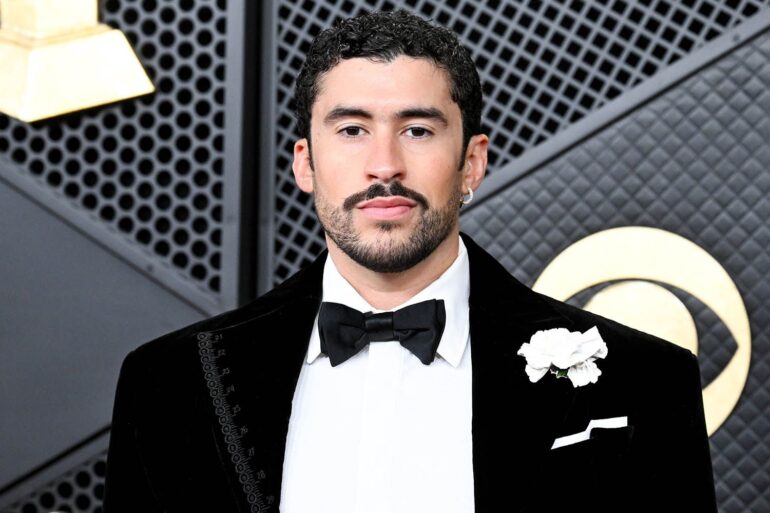
Bad Bunny, a figure who has soundtracked the global ascent of música urbana, is at a precipice. Once the undisputed king of reggaeton’s mainstream wave, his recent artistic detours and strategic shifts have raised questions about his evolving legacy. The artist, born Benito Antonio Martínez Ocasio, initially carved a niche with a raw, unfiltered persona that resonated deeply, but his latest moves suggest a deliberate, perhaps even risky, departure from the formula that cemented his global superstardom.
From his early days, Bad Bunny’s appeal lay in his unapologetic authenticity. He embraced his identity, often challenging traditional masculinity and societal norms with a swagger that felt both rebellious and relatable. Early hits like ‘Callaíta’ and his collaborations with J Balvin showcased a distinct sound and a visual aesthetic that blended street culture with high fashion. His rise was meteoric, topping charts worldwide and breaking barriers for Spanish-language music on global platforms. Wikipedia notes his critical acclaim for blending genres and his influence on contemporary music.
However, the past year has seen a noticeable pivot. While still delivering chart-topping singles, Bad Bunny has increasingly experimented with sounds that diverge from traditional reggaeton and trap. His 2023 album, *Nadie Sabe Lo Que Va a Pasar Mañana*, while still commercially successful, leaned heavily into trap influences and introspective themes, signaling a conscious effort to push his artistic boundaries. Critics at Variety noted a more subdued, yet intensely personal, delivery on this project.
This artistic evolution is not without its detractors. Some fans, accustomed to the high-energy anthems that defined his earlier career, have expressed disappointment. Social media buzzed with debates: was this a sign of artistic growth or a calculated gamble to alienate a portion of his fanbase? The transition from an artist who embodied the celebratory spirit of reggaeton to one exploring more complex, sometimes melancholic, themes is a stark contrast. The New York Times, in a review of his recent performances, highlighted the shift, observing a more measured stage presence compared to the explosive energy of previous tours.
Bad Bunny’s response to these shifts has been characteristically confident. He has largely brushed off criticisms, framing his artistic exploration as a natural progression. “I’m not here to please everyone,” he reportedly stated in a recent interview, a sentiment that underscores his commitment to his own creative vision. This stance positions him not just as a musician, but as a cultural commentator, using his platform to explore themes of identity, fame, and the pressures of maintaining authenticity in the public eye.

The core of the debate lies in the tension between artistic integrity and commercial viability. Bad Bunny has achieved a level of global fame that few Latin artists have reached. His ability to command stadiums and dominate streaming charts remains undeniable. Yet, his deliberate move away from the sounds that propelled him to the top raises a critical question: can he maintain his massive appeal while forging a new, perhaps less universally accessible, artistic path? His legacy is no longer just about chart performance, but about his ability to redefine what it means to be a global music icon in the streaming era.
The success of this new direction hinges on whether his audience is willing to follow him on this more introspective journey. If Bad Bunny can successfully navigate this transition, proving that his artistic experimentation enriches rather than detracts from his cultural significance, he will solidify his status not just as a pop phenomenon, but as a genuinely transformative artist. The coming months, and his next musical offerings, will reveal whether this calculated risk pays off, or if it proves to be a step too far from the sound that made him a household name.