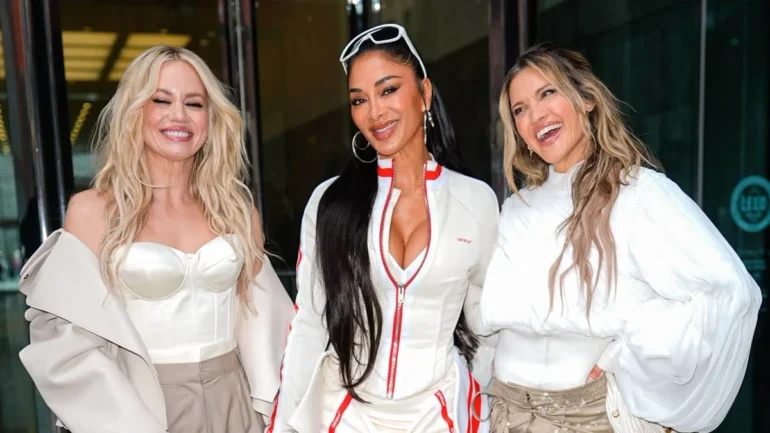
The highly anticipated North American leg of The Pussycat Dolls’ reunion tour has been unceremoniously canceled, marking a significant setback for the girl group’s comeback attempt. The decision, announced abruptly on May 5, 2026, has left fans disappointed and industry observers questioning the viability of the group’s strategic approach to re-entering the music scene.
Originally slated to kick off in late 2025, the tour was intended to celebrate the group’s enduring legacy and reignite excitement among a generation of fans who grew up with their provocative anthems. However, a series of postponements and now a full cancellation point to deeper issues plaguing the reunion. Sources close to the group cite “unforeseen circumstances” as the primary reason, though the vague nature of this explanation has only fueled speculation.
The Pussycat Dolls, known for their provocative performances and chart-topping hits like “Don’t Cha” and “Stickwitu,” emerged in the early 2000s under the guidance of Robin Antin. Their blend of pop, R&B, and dance music, coupled with a distinct visual aesthetic, made them a global phenomenon. Their debut album, PCD, released in 2005, sold millions worldwide and established them as a significant force in the music industry. Wikipedia details their initial rise to fame, noting their chart success and influence on popular culture during that era.
However, the group’s initial run was marked by internal tensions and a high turnover of members, eventually disbanding in 2010. The reunion, announced with considerable fanfare in 2019, was initially set to launch in 2020. This plan was repeatedly derailed by the COVID-19 pandemic, leading to a series of postponements that chipped away at the momentum. Industry publication Billboard extensively covered these shifts, chronicling the dashed hopes of fans with each rescheduling announcement.
Critics have long debated the Pussycat Dolls’ legacy, with some viewing them as empowering icons of female sexuality and others as products of a hyper-sexualized pop culture machine. The reunion tour was seen as an opportunity to redefine their narrative, moving beyond the controversies of their past. Cultural analysis pieces, such as those found in The New York Times, often grappled with this duality, examining their impact on both feminism and commercial pop music.
The cancellation of the North American dates raises pertinent questions about the group’s current relevance and the effectiveness of their comeback strategy. In an era dominated by streaming, evolving social media landscapes, and a different understanding of artist-fan engagement, a nostalgia-driven reunion tour faces significant challenges. The group’s ability to translate their past success into a compelling present-day offering appears to have faltered.

Lead singer Nicole Scherzinger, who has maintained a successful solo career in television and music, has been the most visible member throughout the reunion process. Her involvement was crucial to the tour’s perceived legitimacy. However, without the tour to anchor their return, the Pussycat Dolls risk fading back into history, their legacy potentially overshadowed by the unfulfilled promise of this comeback. Variety has previously reported on the financial implications of such large-scale tour cancellations, highlighting the complex logistics and potential losses involved.
The group’s initial statement offered little in the way of concrete explanation, stating only that “due to the ongoing and evolving global circumstances, we are heartbroken to announce that the Pussycat Dolls North American reunion tour dates are canceled.” This lack of transparency has left many fans feeling dismissed. The success of reunion tours often hinges on a carefully curated narrative and a seamless execution, neither of which seems to have materialized for the Pussycat Dolls.
Looking ahead, the future of The Pussycat Dolls as a touring entity remains uncertain. While individual members may pursue their own projects, the collective ambition for a full-scale revival appears to have been thwarted. The cancellation serves as a stark reminder that while nostalgia has power, it cannot always overcome the practical realities of the modern entertainment industry or the complexities of group dynamics. The question now is whether this cancellation marks a definitive end to their reunion narrative or merely another chapter in their tumultuous history.