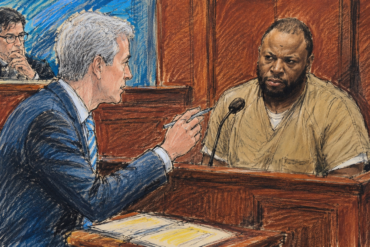
The federal trial of Durk Banks (Lil Durk) has laid bare a reality that mainstream media, law enforcement, and internet sleuths consistently refuse to grasp: the ongoing war on Chicago’s South Side has never been driven by corporate hits or calculated financial payouts. It is a deeply misunderstood lifestyle governed by environment, petty feuds, emotional impulse, immediate proximity, and real-time opportunism.
For years, commentators have attempted to project a Hollywood-style mob architecture onto Chicago violence—retroactively transforming every personal shooting into an “order” and every financial relationship into a hit contract. The federal prosecution of the 2020 FBG Duck murder highlights the flaw in this narrative.

Internet speculation long asserted that a $100,000 “bounty” was placed on Duck’s head. Yet court records show this originated from an unverified informant claim weeks after the shooting, naming an anonymous source. Unverified street rumor is not proof of an organized murder contract.
The trial evidence surrounding Ralph “THF Teezy” Turpin illustrates what actually happened on the ground.
On August 4, 2020, Teezy ran into Duck while shopping in Chicago’s Gold Coast. Evidence established that Teezy harbored intense personal animosity toward Duck over Duck’s previous relationship with the mother of Teezy’s child. Inside a Moncler store, a store security guard recorded an agitated Teezy pacing back and forth on the phone, trying to reach associates to drop Duck’s location.
In a moment that perfectly captured the absurd contrast between street posturing and reality, Teezy loudly claimed to the people on the line that he didn’t have a gun on him—right as a visible firearm slid directly down his pant leg on camera.
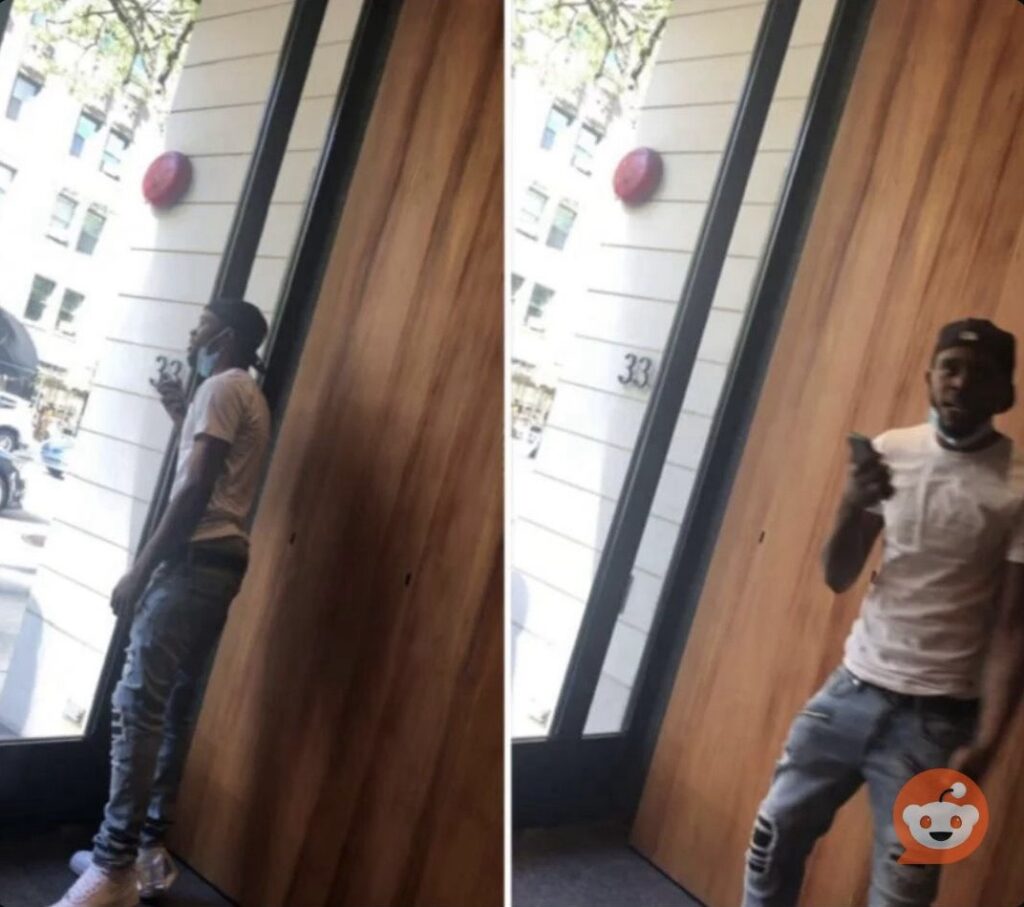
That single detail dismantles the corporate “mafia” myth. There was no desk-drawn contract, no corporate chain of command, and no structured payout. There was simply an armed, insecure man who bumped into a personal rival, panicked, lied about his own means, made calls to a reactive network, and set a deadly chain of events in motion. Shortly after Duck was killed, Teezy sent his ex-girlfriend three laughing emojis.
That is not organized crime. That is jealousy, proximity, and ego colliding in real time.
This distinction is central to the federal case against Durk Banks. To secure a conviction under 18 U.S.C. § 1958 (federal murder-for-hire), the prosecution must prove beyond a reasonable doubt that a murder was committed specifically as consideration for money or something of pecuniary value.
Anger, grief, gang affiliation, or shared animosity do not fulfill this legal element.
Federal prosecutors have relied heavily on testimonies from cooperating witnesses like Keith “Flacka” Jones and OTF Jam, who alleged that rewards ranging from $500,000 to $1 million were discussed to target rival figure Quando Rondo.

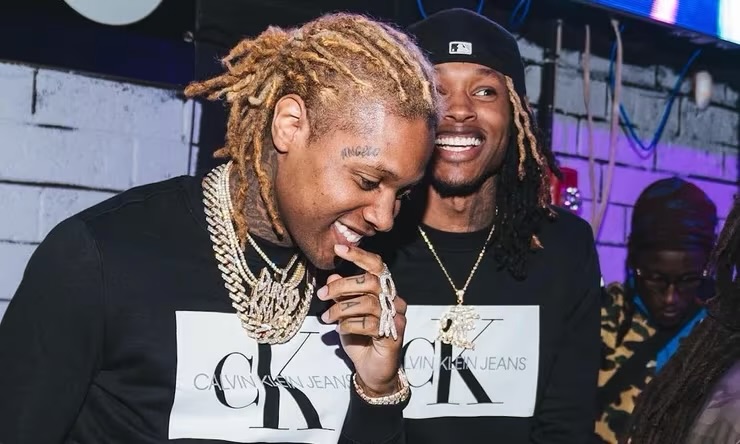
Crucially, however, both witnesses admitted under cross-examination that they were never paid the alleged reward money. Furthermore, financial generosity within an inner circle—paying legal fees, putting money on commissary, or funding lifestyle expenses for friends—does not automatically transform a friendship into a contractual murder-for-hire agreement.
In fact, OTF Jam’s own testimony demonstrated the exact opposite of a transactional bounty. He testified that while he was in prison, Durk would put money on his books randomly and consistently. When Jam was released and told Durk he didn’t even have clothes, Durk simply responded, “You got us.” Jam acknowledged that he barely had a prior relationship with Durk before going to prison, meaning those payments were not compensation for any past act. Where was the bounty? And what was it paid for? Financial support given out of crew loyalty or general philanthropy does not constitute a legal murder contract.
Instead of sensationalizing this culture for clicks, views, and true-crime entertainment, society needs to look at the tragic human reality of what is actually taking place on the ground: Lil Jojo was a kid, Odee Perry was a kid, L’A Capone was a kid, and so many others were just children caught in an environment that consumed them before they ever had a chance to grow up.

Wanting a rival dead is not the same as buying a death. Supporting an inner circle is not the same as executing a murder contract. Unless the prosecution firmly bridges the gap between emotional retaliation and a proven economic transaction, the fundamental requirements of federal murder-for-hire law remain unmet.