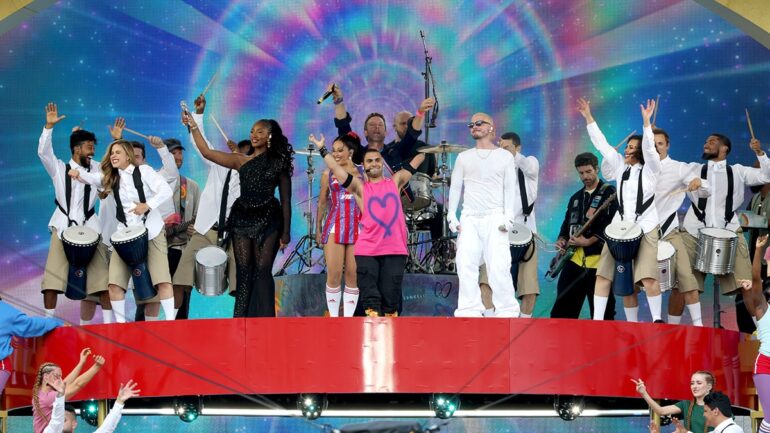
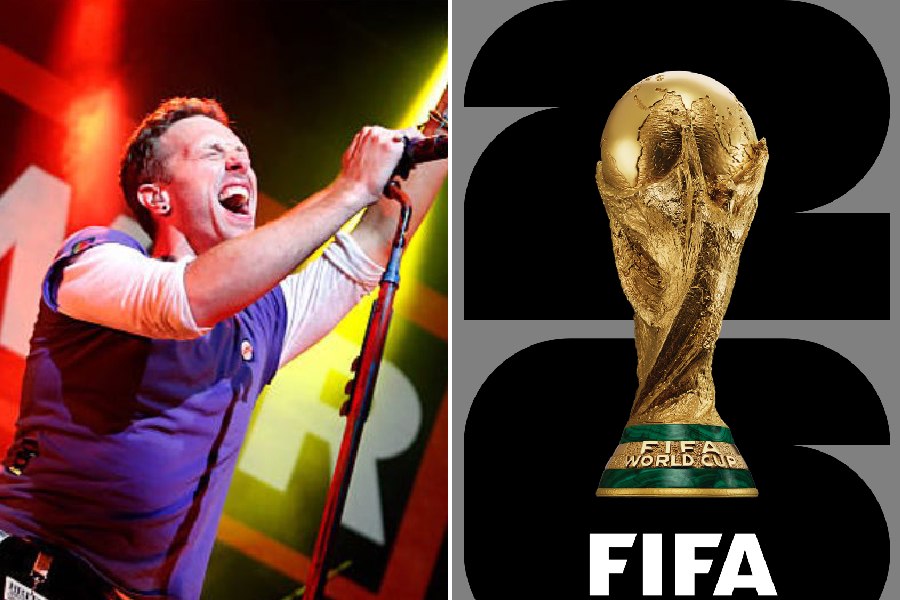
Coldplayis going to perform for FIFA 2026 halftime show.
For nearly a century, the FIFA World Cup final was defined by a specific kind of liturgical austerity. The focus was the pitch, the 90 minutes of play, and a closing ceremony that felt more like a diplomatic handoff than a concert. While the Super Bowl leaned into the maximalism of the Halftime Show, FIFA remained the guardian of the “pure” sporting experience. But as we approach the 2026 World Cup, hosted across the expansive landscape of North America, that boundary hasn’t just blurred—it has been dismantled.
The announcement that Global Citizen will produce the first-ever World Cup halftime show at MetLife Stadium marks the final victory of “eventized” sports. This is no longer just a match; it is a four-hour broadcast block designed to capture the fragmented attention of a digital-first audience. The tension here isn’t between sport and music, but between tradition and the relentless machinery of modern relevance. FIFA is no longer content being the world’s most popular tournament; it wants to be the world’s most dominant content engine.
The Road to MetLife: A Timeline of Encroachment
The evolution of World Cup entertainment has been a slow-motion pivot from local cultural showcase to global corporate synergy. In the early decades, entertainment was relegated to military bands or youth gymnastics—a tradition that peaked with the 1966 World Cup in England, where the “World Cup Willie” mascot represented the height of tournament branding.
The mid-period shift began in the 1990s, specifically during USA ’94. This was the first time the tournament truly grappled with the American appetite for glitz. While the opening ceremony featuring Diana Ross missing a penalty kick is often remembered as a kitsch footnote, it was actually the first crack in the facade. It signaled that the host nation’s cultural DNA would eventually dictate the tournament’s format.
By the 2010s, FIFA began integrating global pop stars into the official soundtrack, with Shakira’s “Waka Waka” and Pitbull’s “We Are One” serving as high-gloss anthems. However, these performances remained peripheral to the match itself. The “recent events” that crystallized the current narrative occurred in the lead-up to 2026. The selection of Jelly Roll and Carín León’s “Lighter” as a primary theme for major soccer broadcasts signaled a move toward genre-blending, high-stakes commercial appeal. The partnership with Global Citizen, an organization built on the intersection of celebrity advocacy and massive production values, confirms that the 2026 Final will be the moment the “Super Bowl-ification” of soccer becomes absolute.
The Backlash of the Purists
This transformation has not occurred without friction. The core footballing audience—particularly in Europe and South America—has reacted with a mix of skepticism and outright hostility. To the traditionalist, the introduction of a mid-match concert is an Americanized contagion, a distraction from the tactical tension of a final. Industry critics have noted that while the Super Bowl uses halftime to keep casual viewers from changing the channel, a World Cup final rarely suffers from a lack of engagement.
The media framing has largely followed this divide. Outlets like The Guardian often frame these moves as evidence of FIFA’s “sportswashing” or corporate greed, while North American outlets like Variety and The Hollywood Reporter view it as a logical, even necessary, evolution of the live sports product. The credibility of the tournament is now contested territory: is it a sporting meritocracy, or is it a platform for the next Apple or Nike-backed superstar?
Strategy Over Sanctity
FIFA President Gianni Infantino has rarely been subtle about his desire to expand the “FIFA brand.” In recent statements regarding the Global Citizen partnership, the rhetoric shifted from “protecting the game” to “uniting the world through entertainment.” This is a tacit admission that in the 2020s, sports cannot survive on athleticism alone.
The motivation is clear: control over the “attention economy.” By creating a proprietary halftime spectacle, FIFA captures the lucrative 15-minute window that used to belong to broadcasters and pundits. It allows them to package the Final as a multi-tier product: a sports event for the fans, and a concert event for the casual “lifestyle” consumer. This is a strategy of provocation and dominance, ensuring that the 2026 Final is the most talked-about event in the history of social media, regardless of whether the match itself is a nil-nil draw.
Cultural Analysis: The Death of the Niche
The move toward a halftime show reflects a broader cultural pattern: the industrialization of “The Moment.” We live in an era where cultural authority is no longer earned through depth, but through scale. A World Cup Final is one of the last remaining “monocultures”—a time when the entire planet is looking at the same thing. In a fragmented media landscape, that kind of concentrated attention is more valuable than oil.

This reveals a cynical truth about our current moment: authenticity is now a performance. When FIFA brings a country-rock star or a global pop icon onto the pitch at halftime, they aren’t just playing music; they are performing “relevance.” They are attempting to bridge the gap between the legacy of the sport and the transience of the TikTok era.
Furthermore, this shift highlights how power is being contested. Traditionally, the “power” in soccer sat with the clubs and the historic footballing nations. Today, the power is moving toward the producers and the algorithm-driven platforms. The fact that an organization like Global Citizen is producing the show—rather than a traditional sports broadcaster—suggests that the World Cup is being reframed as a humanitarian-branded entertainment gala. It is the ultimate exercise in “soft power,” using the universal language of pop music to smooth over the many controversies regarding host city selections and labor rights.
The Weight of the Modern Spectacle
As we look toward 2026, the question is no longer whether the halftime show will happen, but what will be left of the “beautiful game” when the smoke clears. Does the introduction of a choreographed, multi-million-dollar pop performance enhance the experience, or does it dilute the very thing that made the World Cup special?
The risk for FIFA is the loss of the “sacred.” When everything is turned into a high-octane entertainment product, nothing feels essential. The Super Bowl has spent 50 years perfecting this balance, and even then, the halftime show often feels like a separate entity from the game. By forcing these two worlds together on the world’s biggest stage, FIFA is betting that the global audience wants more noise, more light, and more “content.”
In this changing environment, the World Cup is undergoing a fundamental identity crisis. It is trying to be both a historic sporting institution and a cutting-edge media startup. Whether this strategy carries weight in the long term depends on whether the audience still values the unscripted drama of a goal over the scripted perfection of a dance routine. For now, the machinery is in motion. The pitch is becoming a stage, and the world is waiting to see if the game can still be heard over the music.