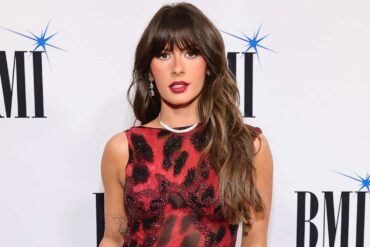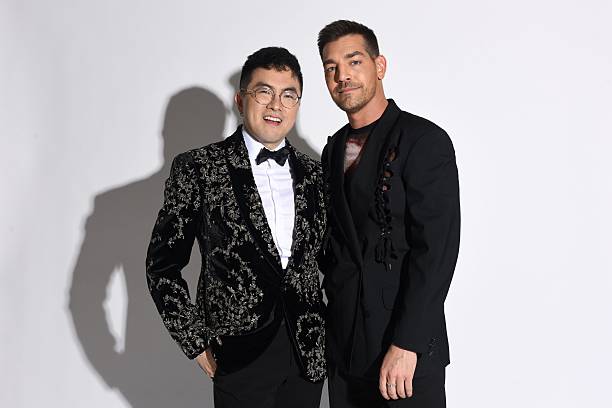
The 2026 Las Culturistas Culture Awards, ostensibly a celebration of artistic achievement and cultural impact, presented a curious tableau this year. Amidst the expected accolades for figures like Will Ferrell and Lisa Kudrow, and a nod to a ‘Heated Rivalry’ that felt more manufactured than organic, the evening’s proceedings offered a potent microcosm of contemporary celebrity’s evolving relationship with authenticity and relevance. The presence of Ciara Miller, a figure whose recent visibility hinges more on interpersonal drama than traditional artistic output, alongside established titans, underscored a significant shift in how cultural capital is accrued and displayed. This wasn’t merely a night of trophies; it was a performative display of how influence is cultivated in an era where personal brands often eclipse artistic merit.
The landscape of celebrity recognition has always been fluid, but the trajectory leading to events like the Culture Awards reveals a distinct evolution. In the past, awards ceremonies primarily honored established bodies of work, acting as a validation of careers built over time. Think of the early days of figures like Will Ferrell, whose comedic genius was cemented through groundbreaking sketch comedy and indelible film roles, earning him widespread critical acclaim and commercial success long before such honors were commonplace. Similarly, Lisa Kudrow’s iconic portrayal of Phoebe Buffay in *Friends* and her subsequent diverse filmography established her as a respected comedic actress. These were careers built on demonstrable talent and sustained output. The symbolism then was clear: recognition was a reward for artistic excellence and cultural contribution. However, the mid-2000s saw a gradual shift. Social media began to democratize celebrity, blurring the lines between performer and personality. Moments of ambiguity arose as reality television stars and internet influencers started to garner mainstream attention, sometimes for reasons that defied traditional artistic benchmarks. This period was characterized by a growing emphasis on visibility and engagement, often at the expense of depth. The recent crystallization of this narrative is evident in the inclusion of personalities whose primary claim to fame is their presence in curated online dramas or their involvement in public disputes. The ‘Heated Rivalry’ acknowledgment, for instance, felt like an attempt to legitimize a conflict that, while generating social media buzz, lacked the substance of genuine artistic contention. Ciara Miller’s inclusion, while perhaps intended to inject a contemporary edge, speaks volumes about a willingness to embrace figures whose cultural footprint is more about immediate, often ephemeral, online discourse than lasting artistic impact.
This blending of established stars with figures whose fame is more transient has inevitably sparked varied reactions. The industry, ever attuned to the currents of public attention, often navigates this space with a degree of calculated ambiguity. While some traditionalists may view such inclusions as a dilution of artistic standards, others recognize the strategic imperative of tapping into broader, often younger, demographics. The media framing itself plays a crucial role. Outlets, eager to capture clicks and engagement, often amplify the drama and personality-driven aspects of these events, further solidifying the perception that relevance is now inextricably linked to constant, often contentious, visibility. This can lead to a pushback from audiences who crave genuine artistic substance, but it also fuels a feedback loop where controversy itself becomes a form of currency. The ‘Heated Rivalry’ nod, regardless of its artistic merit, undoubtedly generated conversation and social media activity, thus serving a purpose beyond mere artistic celebration. It’s a delicate balancing act, where the pursuit of broad appeal can sometimes overshadow the core mission of honoring significant cultural contributions.
In moments of candor, or through their actions, many public figures implicitly acknowledge the motivations driving their strategic positioning. While direct quotes about seeking attention or relevance can be rare and often couched in more diplomatic language, the evidence is often compelling. The decision to engage in public feuds, to carefully curate one’s online persona, or to accept invitations to events that blend artistic prestige with popular appeal, all suggest a deliberate strategy. For some, it’s about maintaining a connection with a contemporary audience. For others, it might be a calculated move to remain in the public consciousness, ensuring their continued influence and marketability. This isn’t necessarily a critique of individual ambition, but rather an observation of how ambition is expressed and rewarded in the current media ecosystem. The pressure to remain visible, to constantly feed the public’s appetite for new content and personality, can lead to a performance of authenticity that is, paradoxically, highly strategic. The goal is often not just to be seen, but to be *talked about*, a distinction that has become paramount in the digital age.
What the Las Culturistas Culture Awards, and indeed much of contemporary celebrity culture, reveals is a profound tension between relevance and legacy. In an era saturated with content and fleeting trends, the pursuit of immediate relevance can often overshadow the cultivation of a lasting legacy. Authenticity, once a prized commodity, is increasingly performed, a carefully constructed facade designed to resonate with specific audiences. This is not to say that genuine artistry is absent, but rather that its visibility is often mediated by the demands of the modern media ecosystem. Power, attention, and influence are now distributed and contested in novel ways. Social media platforms have democratized access to an audience, but they have also created an environment where noise can drown out substance. Cultural authority is no longer solely vested in traditional institutions or critics; it is increasingly negotiated through likes, shares, and trending hashtags. The ability to generate buzz, to provoke a reaction, or to tap into prevailing cultural sentiments has become a significant factor in determining who commands attention and, by extension, who is deemed culturally significant, at least in the short term.
Ultimately, the 2026 Las Culturistas Culture Awards serve as a potent reminder of how the metrics of cultural success have shifted. While Will Ferrell and Lisa Kudrow represent a generation of artists whose impact is undeniable and enduring, the inclusion of figures whose appeal is more ephemeral raises questions about the future of such accolades. Is the embrace of transient fame a pragmatic adaptation to a changing media landscape, or a dilution of the very principles these awards are meant to uphold? In a cultural environment where attention is the ultimate currency, the strategies employed by celebrities and the institutions that recognize them are constantly evolving. The question remains whether this relentless pursuit of immediate relevance, often at the expense of deeper artistic consideration, can sustain its momentum, or if audiences will eventually crave a return to a more substantive form of cultural validation. The stage is set, but the script for what constitutes true cultural impact is still being written, with each award ceremony offering a new scene in this ongoing drama.