The narrative of a hip-hop artist is often a carefully constructed edifice, built from lyrical declarations, public persona, and the tangible realities of their origins. For Chicago rapper Lil Zay Osama, whose legal troubles have recently thrust him into the national spotlight, the contrast between his established artistic identity and the recent allegations of a home invasion in the affluent suburb of Winnetka presents a stark and complex picture. This isn’t merely a case of a rapper falling afoul of the law; it’s a moment that crystallizes a broader, more nuanced cultural conversation about authenticity, aspiration, and the performance of street credibility in the modern music landscape.

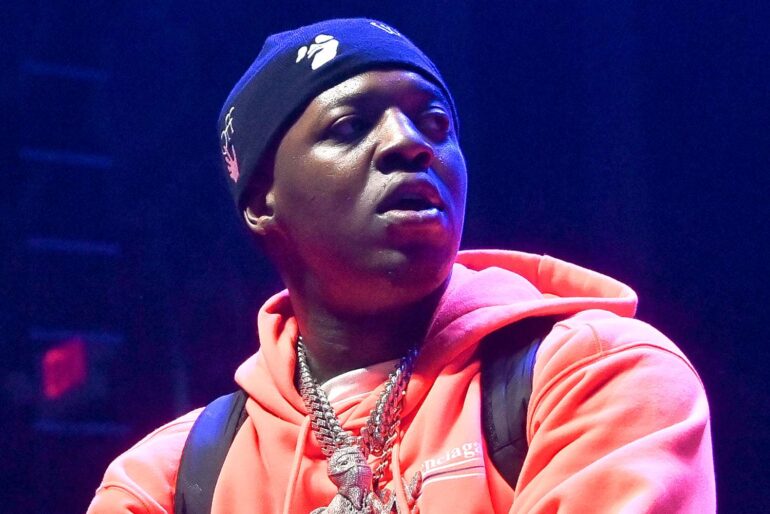
Lil Zay Osama, born Isaiah Dukes, rose to prominence with a raw, unfiltered sound that resonated with the realities of Chicago’s South Side. His early work, characterized by tracks like “Changed On Me” and “Ride For Me,” painted vivid pictures of street life, loyalty, and the constant struggle for survival. His music often leaned into a specific brand of street authenticity, a crucial currency in the hip-hop world, where credibility is often rooted in lived experience and a willingness to confront harsh truths. This positioning established him as a voice for a particular community, articulating struggles that many of his listeners understood intimately. His early career was defined by this raw, unvarnished portrayal of his environment, solidifying a public image deeply intertwined with the gritty realities of his upbringing.
The timeline leading to the current controversy reveals a gradual, perhaps even strategic, evolution. While Zay Osama’s music consistently reflected his Chicago roots, the transition from articulating hardship to facing accusations of engaging in criminal activity directly impacting a community far removed from his stated origins marks a significant departure. On March 22nd, according to federal prosecutors, Zay Osama and five other men allegedly posed as food delivery workers to gain access to a home in Winnetka, an affluent North Shore suburb. Once inside, armed with guns, they are accused of holding a resident captive for an hour while demanding access to a safe, computer, and cryptocurrency accounts. The defendants, including Isaiah Dukes (Lil Zay Osama), Dashun Brown, David Franklin, Anthony Ramsey, Khiell Dukes, and Jalen Chambers, have all pleaded not guilty to the charges.
This incident has inevitably generated a strong reaction, both within and outside the hip-hop community. The stark geographical and socio-economic contrast between the alleged crime and the artist’s established persona—a rapper who built his name on themes of street survival—has amplified the controversy. For some, it represents a betrayal of the very authenticity he cultivated. For others, it may be seen as a tragic, if predictable, outcome of a system that often traps artists in a cycle of glorifying the circumstances they claim to be escaping. The media’s framing of the story, often highlighting the juxtaposition of the suburban home invasion with the rapper’s street-oriented music, risks reducing a complex situation to a simplistic narrative of a rapper gone bad.
While Zay Osama and his co-defendants have pleaded not guilty, the charges themselves prompt a contemplation of the motivations that might drive such actions. In the broader context of the music industry, artists often navigate a delicate balance between portraying the struggles that make their music resonate and seeking the financial success that can lead to a different lifestyle. The pressure to maintain an image of authenticity can be immense, sometimes leading artists to feel trapped by the very narratives that brought them fame. While no direct quotes from Lil Zay Osama addressing the specific motivations behind the alleged home invasion are available at this time, the broader cultural patterns offer a lens through which to understand potential drivers. In the past, artists have spoken about the need for attention, the desire for financial security beyond music, or even the performative aspects of maintaining a hardened image, sometimes blurring the lines between artistic persona and personal reality.

This situation delves into critical themes shaping our current cultural moment. The relentless pursuit of relevance in an attention-saturated media ecosystem often pits the demand for authentic narratives against the reality of performance. Lil Zay Osama’s trajectory, from articulating the realities of street life to facing charges in a high-stakes home invasion, raises questions about the commodification of struggle and the potential consequences of artists becoming inextricably linked to the very environments they seek to transcend. Is the ultimate goal legacy, built on enduring artistry, or is it immediate relevance and influence, achieved through provocative stances and narratives, even if they venture into dangerous territory? The modern media landscape rewards shock value and compelling narratives, and artists often find themselves navigating a tightrope, trying to stay true to their roots while capitalizing on the opportunities that fame affords. This blurring of lines between the art, the artist, and their public perception is a defining characteristic of contemporary cultural production.
Ultimately, Lil Zay Osama’s legal entanglements force a re-evaluation of what authenticity means in hip-hop and beyond. As the legal proceedings unfold, the broader cultural conversation will continue. Does the narrative of street struggle, once a source of his artistic power, now become a liability that overshadows his musical contributions? In a culture that often demands simplified narratives, the complex reality of an artist’s life—caught between aspiration, circumstance, and the pressures of performance—is frequently reduced to sensational headlines. The question remains whether artists like Lil Zay Osama, who have built their careers on the foundation of a specific lived experience, can successfully navigate the evolving demands of cultural relevance without succumbing to the very narratives they sought to escape, or if the performance of authenticity inevitably carries unforeseen consequences.