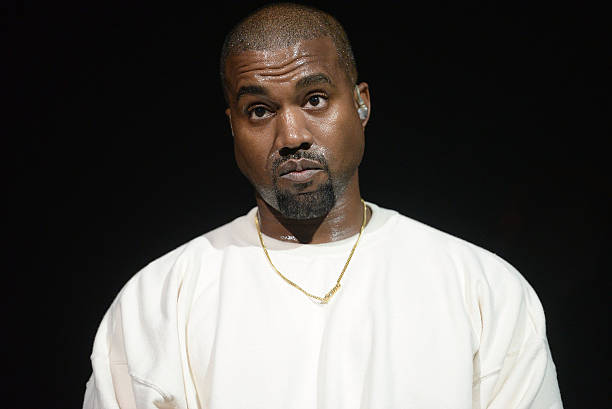
Kanye West, now known as Ye, has long cultivated an image as a boundary-pushing artist, a visionary whose pronouncements often landed with seismic force, reshaping conversations around music, fashion, and culture. His career, a masterclass in self-mythologizing, has been punctuated by periods of undeniable creative brilliance and moments of profound public scrutiny. Yet, a recent spat over a planned July 4th concert in San Antonio, where Mayor Gina Ortiz Jones openly supported canceling the event after tickets went on sale, signals a potentially significant recalibration of his public reception. This isn’t just about one canceled show; it’s about the increasingly precarious balance Ye strikes between provocative artistry and alienating the very platforms and audiences that once propelled him.
The trajectory of Ye’s public persona is a complex tapestry woven with threads of genius and volatility. In his early years, West was celebrated as a refreshingly earnest voice in hip-hop, exemplified by the soulful sampling of his debut album, *The College Dropout* (2004). He positioned himself as an outsider, a “Louis Vuitton Don” with a conscience, challenging the status quo with both his music and his outspokenness. This era cemented his reputation as an artist willing to speak truth to power, a narrative that resonated deeply with a generation of fans. However, as his career progressed, so did the intensity of his public pronouncements. Moments like his infamous interruption of Taylor Swift at the 2009 MTV Video Music Awards hinted at a more impulsive and confrontational side. The mid-period saw a growing chasm between his artistic output, which remained largely acclaimed, and his increasingly erratic public behavior and controversial statements, often amplified by his prolific use of social media. This culminated in a series of highly publicized antisemitic remarks in late 2022, which led to widespread condemnation, the termination of lucrative brand partnerships with Adidas, Balenciaga, and Gap, and a significant erosion of his public goodwill. The San Antonio incident, though seemingly minor in comparison, occurs in the shadow of these profound reputational damages.
The backlash to Ye’s recent actions has been swift and severe. The proposed San Antonio concert, a seemingly straightforward booking, became a flashpoint, with the mayor’s public statement reflecting a broader societal shift in tolerance for controversial figures. This isn’t merely isolated criticism; it represents a collective recalibration of what is acceptable public discourse, especially from figures with immense cultural influence. The industry has largely distanced itself. Major brands, burned by past associations, have become exceedingly cautious, demonstrating a clear understanding that the financial and reputational risks of aligning with Ye now far outweigh any potential benefits. Peer reactions have also been telling, with many artists and cultural commentators expressing disappointment or outright condemnation of his rhetoric, further isolating him within the creative community he once dominated. Media framing, once often characterized by a fascinated indulgence of his eccentricities, has increasingly shifted towards a more critical lens, highlighting the real-world impact of his words and actions.
While Ye himself has offered a complex mix of justifications and admissions, his motivations often appear rooted in a strategic pursuit of attention and a desire to provoke. Following the widespread condemnation of his antisemitic remarks, he made a few attempts at damage control, including an appearance on Alex Jones’s *InfoWars*, where he offered a half-hearted apology, stating, “I literally can’t be antisemitic because black people are actually Jews.” This statement, widely criticized as a nonsensical deflection, underscored a pattern of behavior where apologies often serve to further complicate or reframe the initial offense rather than offering genuine remorse. In other instances, he has seemed to embrace the role of the pariah, suggesting that his controversial stances are a form of rebellion against a perceived “woke” culture or an oppressive establishment. This can be interpreted as a calculated performance, designed to retain relevance by occupying a space of defiant opposition, even if that space is increasingly toxic.

This unfolding situation with Ye offers a potent microcosm of broader cultural dynamics at play in the 21st century. The relentless pursuit of relevance in a saturated media ecosystem often leads public figures to push boundaries, but the consequences of crossing certain lines – particularly those involving hate speech – are becoming starker. The line between authenticity and performance has blurred to the point where audiences and institutions are increasingly scrutinizing the *intent* behind provocative statements. Is it genuine artistic expression, a strategic bid for attention, or a genuine reflection of harmful beliefs? The current cultural moment is characterized by a heightened awareness of power and influence, and a growing demand for accountability from those who wield it. Cultural authority is no longer solely granted through artistic merit; it is increasingly contingent on ethical conduct and a demonstrated commitment to inclusive values. Ye’s journey highlights the precariousness of legacy when it becomes overshadowed by contemporary transgressions. The ability to maintain cultural capital now hinges not just on past achievements but on present-day actions and their impact.
Ultimately, Ye’s current position underscores the complex interplay between artistic freedom, public responsibility, and the evolving landscape of cultural acceptance. While his artistic genius remains undeniable, his sustained engagement with controversy has demonstrably altered his standing. The San Antonio incident, though small in scale, signals that the era of unquestioning adoration or even tolerant indulgence for his most extreme pronouncements may be drawing to a close. The question now is whether Ye’s current strategy of provocation and defiance, a tactic that once amplified his voice, can continue to sustain his influence in a cultural environment that is increasingly demanding accountability and ethical consideration from its most prominent figures. His legacy, once seemingly unassailable, now hangs in the balance, a testament to the difficult and often painful process of re-evaluating artistic contributions in light of human consequences.