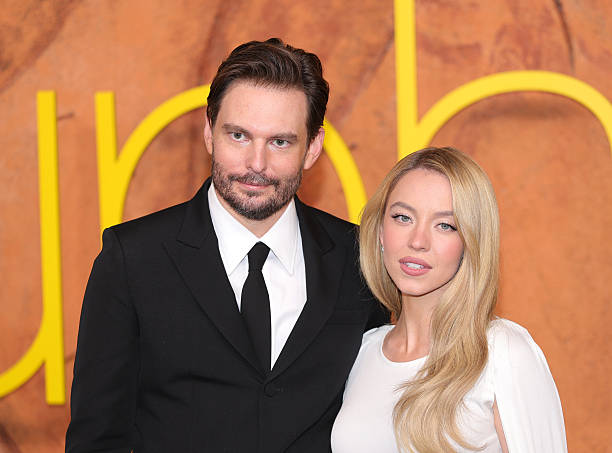
Sam Levinson, the visionary behind HBO’s provocative hit Euphoria, finds himself at a crossroads, grappling with the fallout from his series’ latest season. Once lauded for his unflinching portrayal of adolescent angst and the often-unseen realities of youth culture, Levinson is now confronting criticism for his depiction of OnlyFans creators. His recent appearance on Real Time with Bill Maher saw him backtrack on previous artistic choices, admitting to a “fairly critical look” at the platform and explaining why he chose not to “affirm this life and how empowering” it can be. This pivot marks a significant departure from the show’s initial promise and raises questions about the evolving nature of artistic intent in the face of public scrutiny.
Euphoria first burst onto the scene in 2019, quickly establishing itself as a cultural touchstone for its raw, unfiltered, and often controversial exploration of Gen Z’s struggles with addiction, trauma, and identity. Levinson, drawing from his own experiences and a keen eye for contemporary anxieties, crafted a visually stunning and emotionally resonant narrative. Early seasons symbolized a willingness to dive deep into the complexities of modern adolescence, even venturing into territories that many other shows shied away from. The series’ aesthetic, characterized by its distinctive cinematography and a soundtrack that mirrored the pulse of youth culture, cemented its reputation as a daring and authentic voice. This early positioning allowed Euphoria to carve out a unique space in the television landscape, offering a stark contrast to more sanitized portrayals of teenage life.
However, as the series progressed, a noticeable shift began to emerge, particularly in its third season. The narrative threads started to feel more didactic, and certain character arcs, especially those involving sex work and the platform OnlyFans, drew significant ire. Critics and a segment of the audience felt that the show’s portrayal of these creators was not only superficial but also bordered on exploitative and judgmental, failing to capture the nuanced realities and agency of individuals involved. This perception crystallized into a significant backlash, with many accusing Levinson of misinterpreting or even condemning the very culture he had previously seemed eager to explore. The controversy intensified as the season aired, transforming the show from a celebrated exploration of youth into a point of contention regarding its artistic integrity and ethical considerations.
The public reaction was swift and often pointed. Social media buzzed with critiques, and numerous articles and think pieces emerged dissecting the perceived missteps. Many pointed to the show’s trajectory as a betrayal of its initial promise to offer an authentic glimpse into the lives of young people navigating complex digital and social landscapes. Industry peers and cultural commentators weighed in, some defending Levinson’s artistic freedom while others echoed the audience’s concerns about the show’s messaging. The media framing often oscillated between defending the artistic license of a controversial creator and highlighting the potential harm of misrepresenting vulnerable communities. This confluence of backlash and critical re-evaluation put Levinson and Euphoria under a microscope, challenging the show’s credibility and its creator’s vision.
It was within this charged atmosphere that Levinson addressed the controversy on Real Time with Bill Maher. His admission that he took a “fairly critical look” at OnlyFans culture and his explanation for not wanting to “affirm this life and how empowering” it can be, represents a significant moment of self-acknowledgment, albeit one framed by external pressure. While not a direct confession of error, his words suggest a strategic recalibration, an attempt to manage the narrative and perhaps regain favor with a disillusioned audience. This statement can be interpreted as an acknowledgment that the show’s artistic choices, intended or not, had provoked a reaction that necessitated a defense or clarification of his intentions. The underlying motivation appears to be a complex mix of artistic intent, audience reception, and the ongoing pressure to remain relevant in a rapidly changing cultural conversation.

Levinson’s situation speaks volumes about the current cultural moment, particularly the delicate balance between artistic expression, authenticity, and performance in the digital age. The obsession with relevance, the constant pursuit of attention, and the porous boundaries between creator and audience mean that artists are increasingly under pressure to navigate public perception with extreme care. Levinson’s journey from celebrated auteur to controversial figure underscores the precariousness of cultural authority. What was once gained through daring artistic choices can be quickly lost through perceived missteps or an inability to adapt to evolving societal sensitivities. The debate around Euphoria’s depiction of OnlyFans creators highlights a broader cultural pattern where authenticity is constantly being performed and questioned, and where the line between genuine exploration and calculated provocation is increasingly blurred. The power dynamics at play, where creators wield significant influence but are also subject to intense scrutiny, create an environment where every artistic decision is a potential referendum on one’s cultural capital.
As Euphoria continues to navigate its future, Sam Levinson’s recent statements mark a turning point. His willingness to publicly acknowledge a critical perspective on the very culture he depicted suggests a complex interplay between artistic vision and the external pressures of audience reaction and media scrutiny. The question remains whether this strategic recalibration will resonate with a public increasingly attuned to the nuances of representation and authenticity. In a media ecosystem that thrives on both groundbreaking art and swift condemnation, Levinson’s current positioning will be a test of whether his evolving approach can maintain the cultural weight and critical acclaim that Euphoria once commanded, or if the perceived shift represents a fundamental disconnect with the evolving landscape of cultural dialogue.